
Why High-Functioning Isn't Healthy in Addiction

Updated: Feb 21
You have a job. You show up on time. Your relationships look stable from the outside. You’re handling your responsibilities, so it can’t be that bad… right? That’s the logic many people use when they identify as a high-functioning addict.
If your life hasn’t fallen apart, it’s easy to assume your substance use isn’t a real problem. But functioning and being healthy aren’t the same thing. In fact, the label “high-functioning” often hides early warning signs and delays getting help.
In this article, you’ll learn what high-functioning addiction really looks like, the risks of ignoring it, and how to recognize when it’s time to seek support.
What Does “High-Functioning” Really Mean?
If you consider yourself a high-functioning addict, it means you’re maintaining your responsibilities while continuing to use substances in ways that may be harmful. You go to work, meet deadlines, maintain relationships, or keep up with school — and from the outside, nothing appears out of control. At the same time, alcohol or drugs may be something you rely on to unwind, cope with pressure, or get through the day.
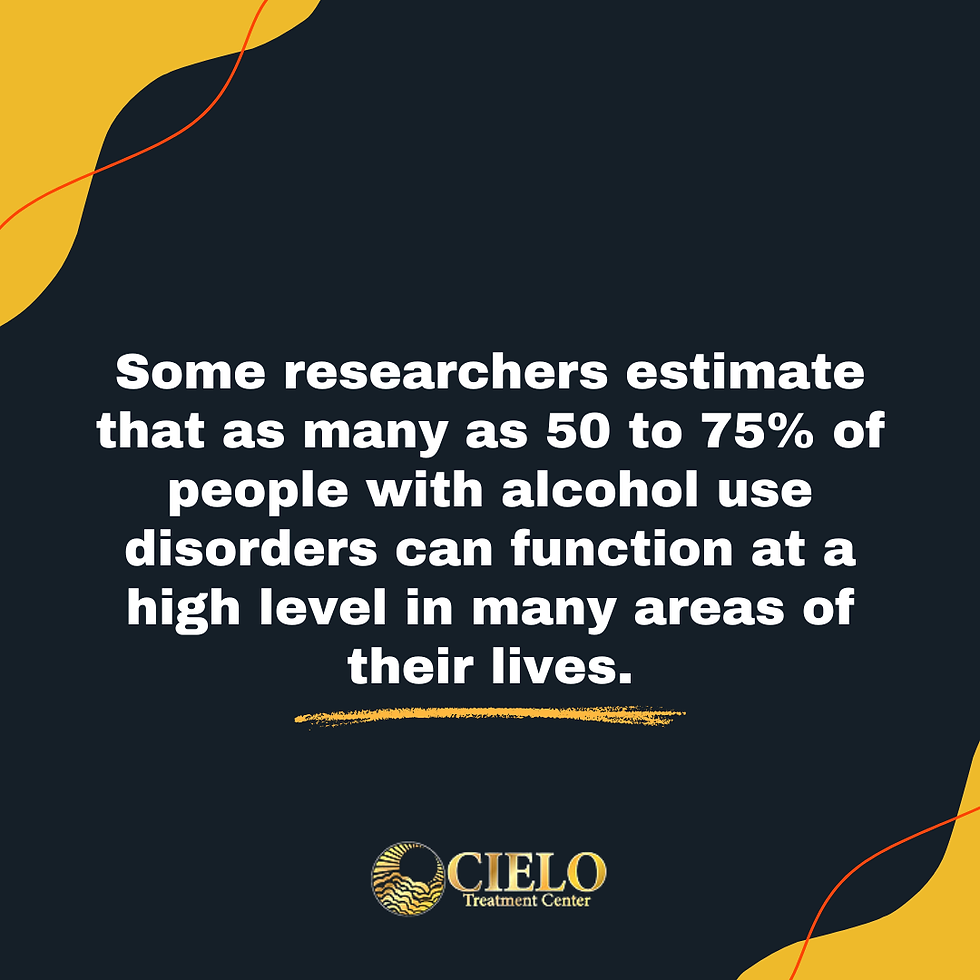
This pattern is more common than many people realize. Some researchers estimate that as many as 50 to 75% of people with alcohol use disorders can function at a high level in many areas of their lives. You can succeed professionally, perform academically, and stay socially active while still experiencing dependence, tolerance, or loss of control behind the scenes.
The problem is that “high-functioning” can become a shield. As long as you’re producing results, it’s easy to dismiss concerns or compare yourself to someone whose life looks more visibly impacted. But external stability doesn’t erase the physical and psychological effects of ongoing substance use; it just makes them easier to hide.

Hidden Signs You Might Be Struggling
Even if your life looks stable on paper, certain patterns can signal that something deeper is going on. Being labeled a high-functioning addict doesn’t mean the warning signs disappear — they just show up in quieter ways.
Increasing Tolerance
You notice it takes more to feel the same effect. What used to help you relax or “take the edge off” doesn’t work as it used to, so the amount or frequency slowly increases.
Using Substances to Manage Stress or Emotions
Alcohol or drugs become your default coping tool. Instead of processing stress, conflict, boredom, or anxiety directly, you rely on substances to regulate how you feel.
Secrecy or Rationalizing Use
You downplay how much you use, hide it from certain people, or create rules to justify it. You tell yourself it’s fine because you’re still performing at work or school.
Burnout, Anxiety, or Depression
You feel constantly drained, on edge, or emotionally flat. Substance use may temporarily numb these feelings, but they return — often stronger.
Being a high-functioning addict can make these signs easier to dismiss because you’re still “keeping it together.” But functioning doesn’t equal healthy. Always remember: You can meet responsibilities while your mental health declines, your tolerance builds, and your dependence deepens.
How Mental Health Counseling Portland Oregon Helps
When substance use and mental health overlap, addressing only one side rarely creates lasting change.
Mental health counseling Portland Oregon providers often work from a dual-diagnosis perspective, meaning they treat both substance use and underlying issues like anxiety, trauma, depression, or chronic stress at the same time. Instead of focusing solely on stopping use, counseling helps you understand what role substances have been playing in your life and what needs they’ve been filling.
Therapy also gives you structured space to build healthier coping strategies. That might include learning how to regulate emotions without numbing them, setting boundaries in high-pressure environments, or unpacking long-standing beliefs about success and self-worth. For many high-achieving individuals, performance has become tied to identity. Counseling helps separate your value from your productivity, which reduces the pressure that often fuels substance use in the first place.
In addition, consistent counseling provides accountability and early intervention. You don’t have to wait until your life visibly unravels to seek support. Working with a licensed professional allows you to monitor patterns, address escalation before it worsens, and make intentional changes while your life is still stable. That proactive approach can prevent the quiet progression that often defines high-functioning addiction.

Unique Pressures for Young Adults & LGBTQ Individuals
Certain groups face added pressures that can make high-functioning addiction harder to recognize.
If you’re a young adult, you may be navigating career expectations, academic competition, financial stress, and social comparison all at once. High achievement culture often normalizes overwork and burnout, which can make substance use seem like a reward system or stress reliever rather than a warning sign.
If you identify as LGBTQ+, additional layers of identity stress can play a role.
Minority stress, discrimination, family rejection, or the pressure to constantly advocate for yourself can increase vulnerability to substance use. In these cases, alcohol or drugs may become a coping mechanism for navigating environments that feel invalidating or unsafe.
Specialized care can make a difference.
Young adult residential treatment programs are designed to address the developmental challenges and pressures specific to this stage of life. Likewise, affirming LGBTQ rehab centers provide culturally competent care that recognizes identity-related stressors without judgment. Accessing support that understands your lived experience can remove barriers that often prevent people from seeking help early.
When to Seek Help
If you identify as a high-functioning addict, it can be difficult to decide when your situation warrants professional support. You may tell yourself that as long as you’re still managing responsibilities, treatment can wait. But certain patterns signal that it’s time to take a closer look.
You rely on substances to cope. If alcohol or drugs are your primary way to manage stress, anxiety, social pressure, or emotional discomfort, that dependence is worth addressing before it deepens.
You can’t stop despite trying. You’ve set limits, taken breaks, or promised yourself you’ll cut back, but the pattern continues. Loss of control, even in small ways, is a significant indicator.
Your mental health is declining. Increased anxiety, mood swings, irritability, sleep disruption, or emotional numbness often accompany escalating substance use. Ignoring those signs can lead to more severe consequences over time.
Early intervention matters. As any reputable treatment provider can attest, the sooner you address problematic use, the more options you typically have — and the less disruption you’re likely to face in the long run.

Conclusion
Being a high-functioning addict can make it easy to stay in denial. When you’re meeting expectations and maintaining appearances, it’s tempting to believe your substance use isn’t serious. But functioning isn’t the same as thriving. You can hold a job, maintain relationships, and still struggle privately with dependence, anxiety, or emotional burnout.
If any of these signs resonate with you, it may be time to take an honest look at your relationship with substances. At Cielo Treatment Center, we offer personalized support for people like you seeking a healthier path forward. Reach out now!


Comments